FCH 99M-PVS
CALIBRATED LEAK
R134a, R1234ze, R1234yf, R32, R410A, R600a, R290
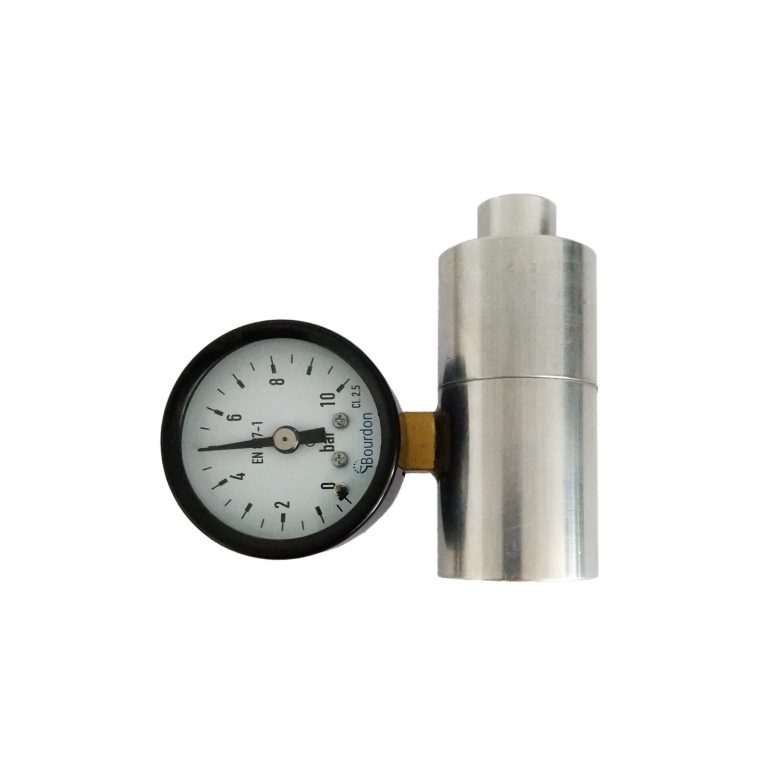
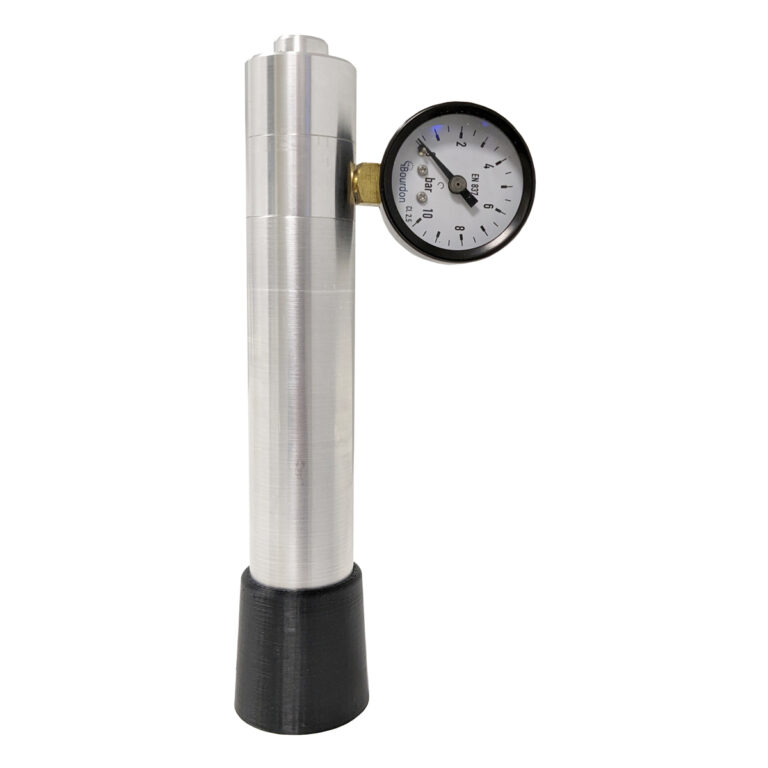
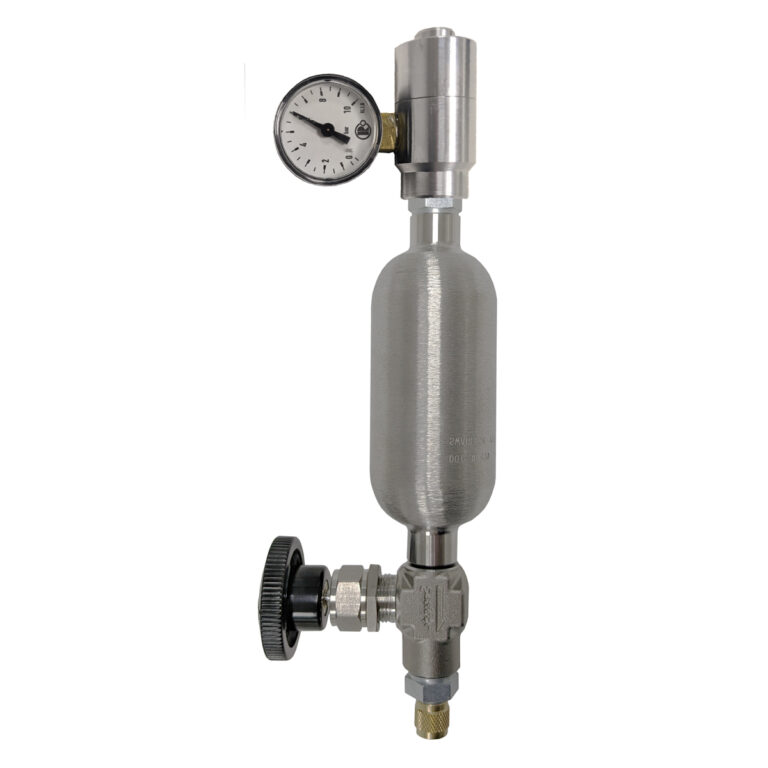
The FCH 99M-PVS calibrated leak is intended for sensitivity checking and calibration of production and laboratory leak detectors operating by sniffing at atmospheric pressure.In the same range:
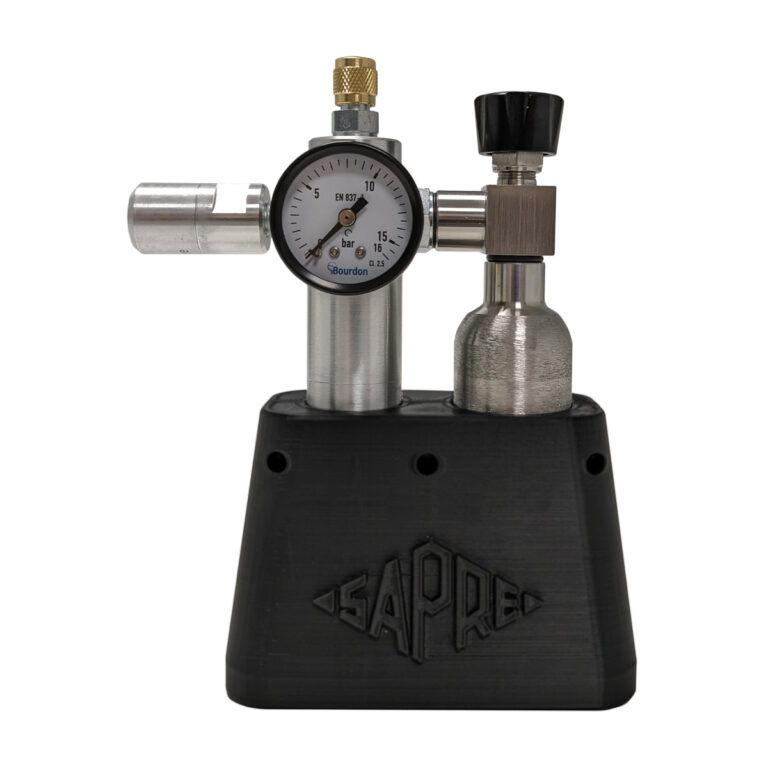
For certification to EN 14624, the FCE 99M-PVS-R calibrated leak offers a fixed value, with its own reservoir. For an adjustable value, the FCH 99M-PVA is supplied via a pressure regulator, while the FCH 99M-PVA-R150, with its built-in reservoir, is used standalone.
Compatible with:
The FCH 99M-PVS calibrated leak enables calibration of multi-gas production detectors: MTD 920 and MTD 930.
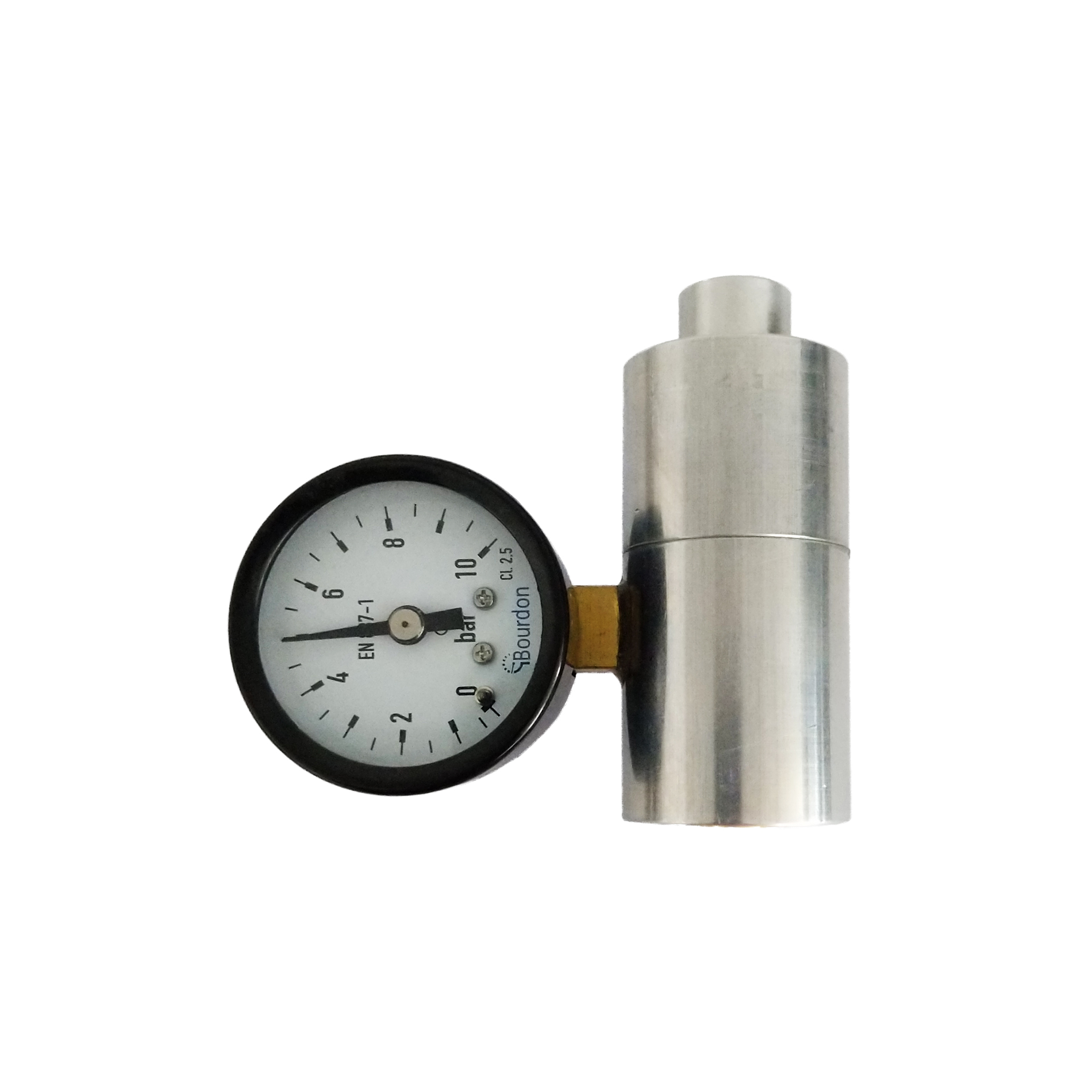
- Standard leak rate of 3 g/yr or 5 g/yr at the gas vapour pressure at 20 °C.
- Designed to be supplied with gas in the saturated vapour phase.
- Connects directly to a liquid-phase gas cylinder via a ¼ FL adapter valve.
- Delivered with a calibration certificate and a pressure-temperature/leak rate curve.
Available for:
- R134a, R1234ze, R1234yf, R32, R410A, R600a, R290.
| Use | The FCH 99M-PVS is a continuous-flow leak that must be connected directly to a liquid-phase gas cylinder via a ¼ FL adapter valve. |
| Leak rate | 3 g/yr [±20%] at the vapour pressure of the gas at 20 °C. 5 g/yr [±20%] at the vapour pressure of the gas at 20 °C. Other values on request. |
| Gas | R134a, R1234ze, R1234yf, R32, R410A, R600a, R290. Other gases on request. |
| Delivered with | Leak delivered with its calibration certificate valid for 1 year and a pressure-temperature/leak rate curve. |