FT 92-T
TEST LEAK
R134a, R1234ze, R1234yf, R513A, R290, R600a & H2/N2
The FT 92-T test leak is intended for checking the sensitivity of on-site and workshop refrigerant gas leak detectors.
In the same range:
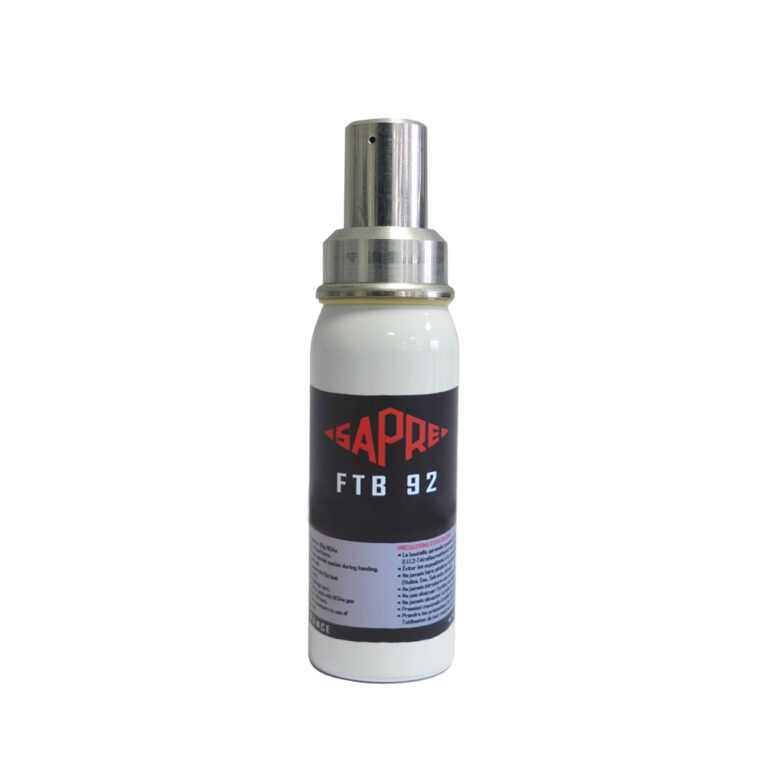
For R1234ze, the FTB 92-T test leak is ready to use: it has its own gas reservoir and needs no external supply. For ppm concentration calibration of atmosphere monitoring detectors, the calibration gas cylinder compliant with the ISO 6141 standard is available for R134a and CO2.
Compatible with:
The FT 92-T test leak allows quick sensitivity verification of portable detectors: DXR 240, DXH 240, SGD 240 and HRD 92 SC.
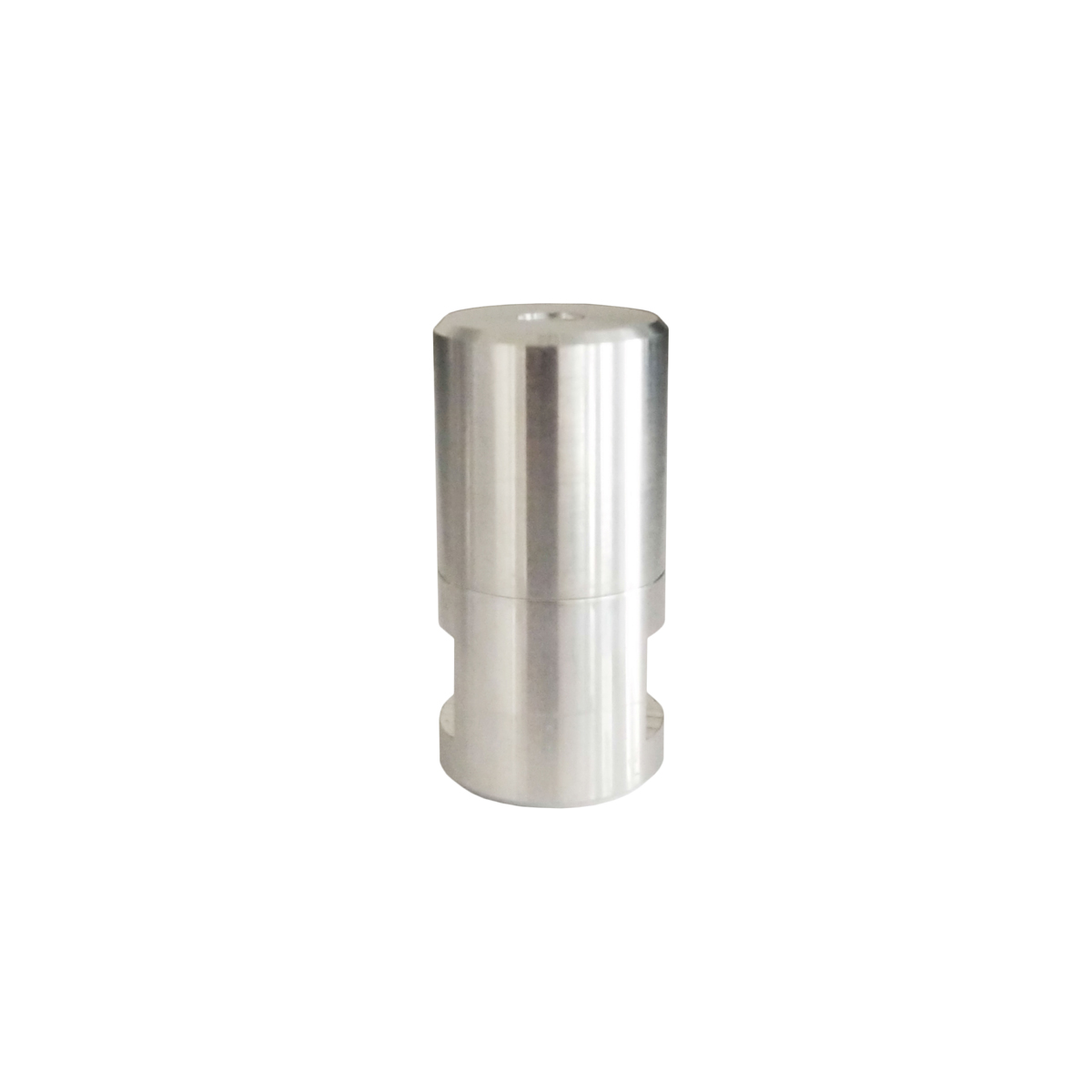
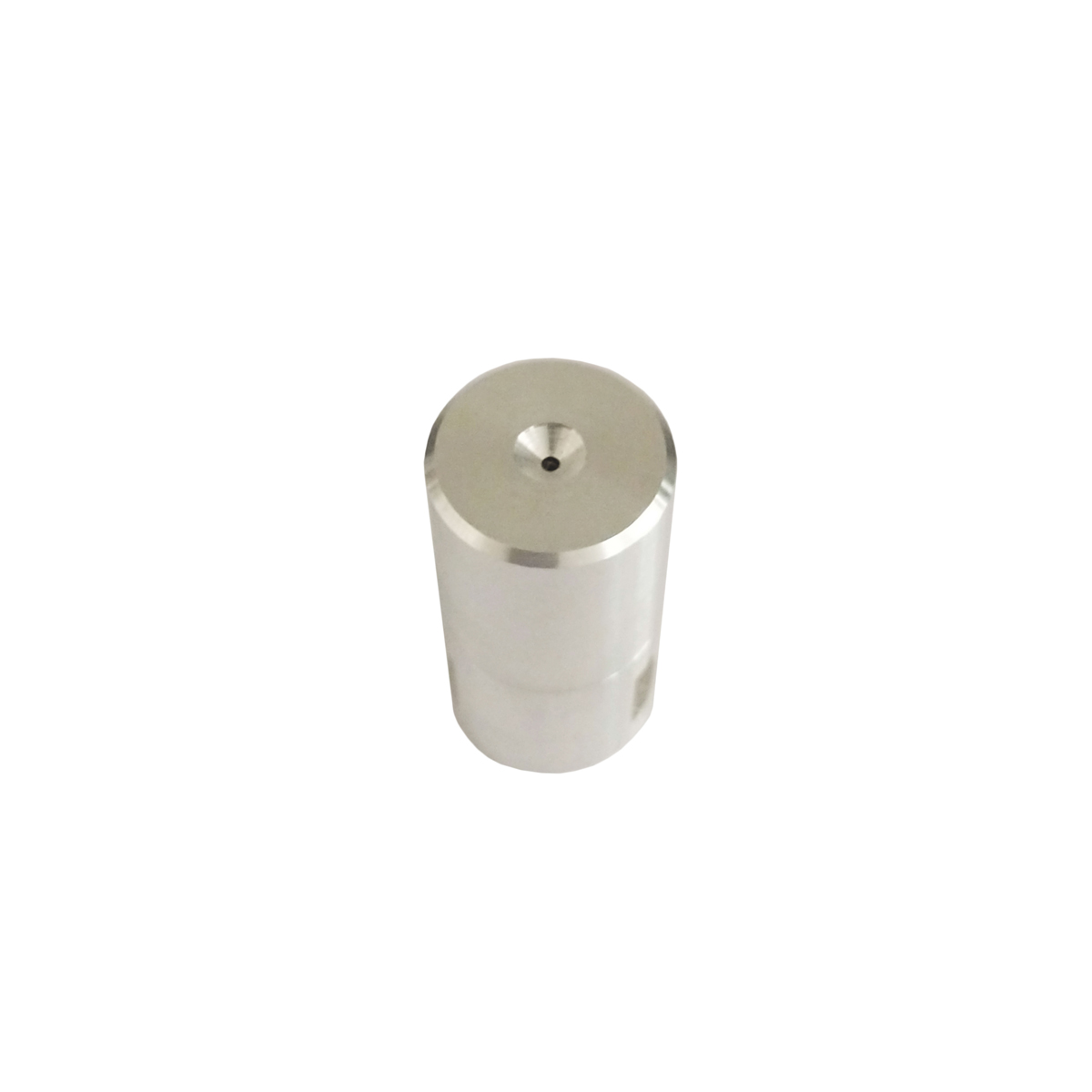
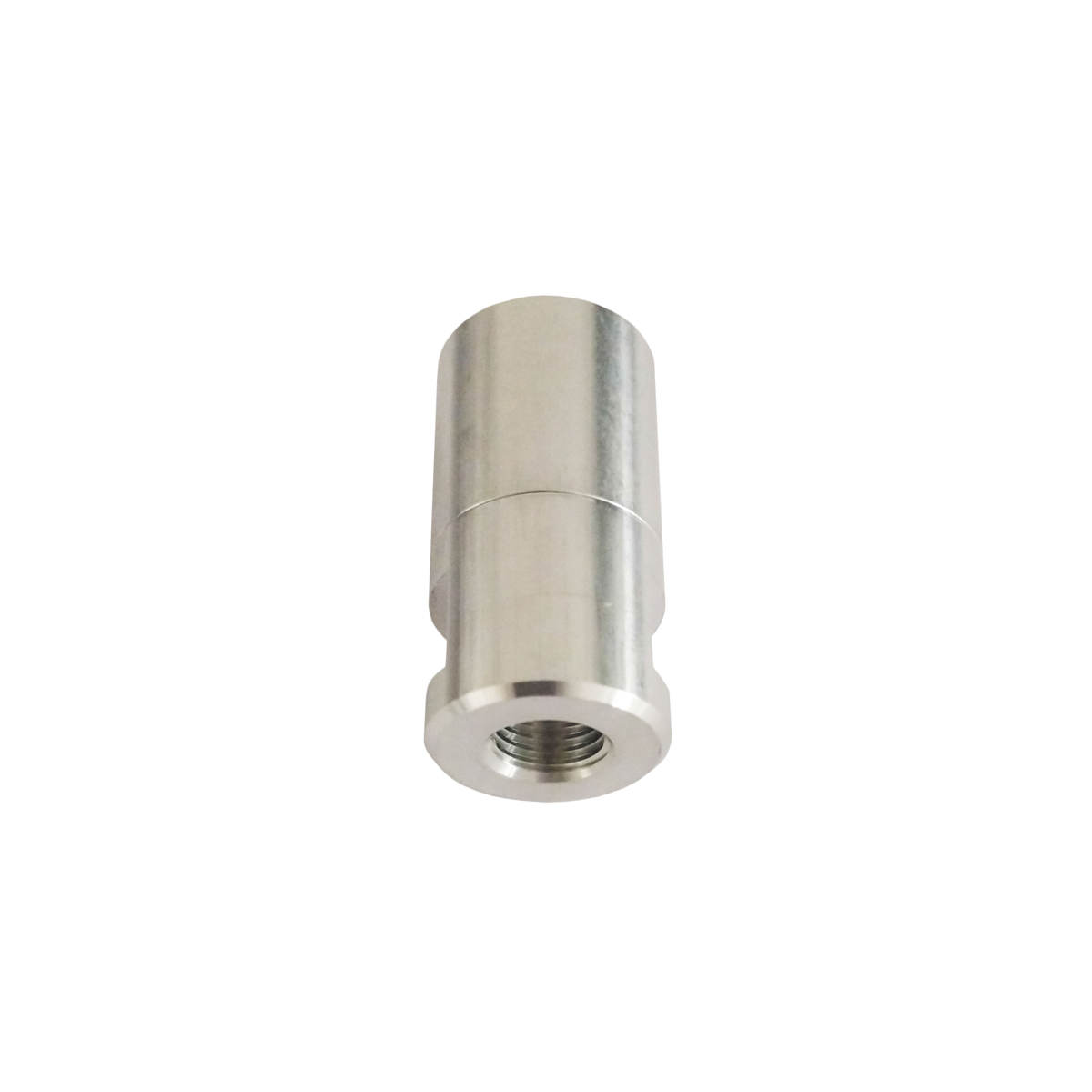
- For checking the sensitivity of on-site or workshop refrigerant gas leak detectors.
- Connects directly to a gas cylinder.
- The leak rate is 5 g/yr at the gas pressure at 20 °C.
- Delivered with a verification certificate.
Available for:
- R134a, R1234ze, R1234yf, R513A, R290, R600a, H2/N2, other gases on request.
| Use | The FT 92-T is a continuous-flow leak that must be connected directly to a gas cylinder, in the liquid phase for refrigerants and downstream of a regulator for H2/N2 tracer gas (Nidron), using a ¼ FL adapter valve. |
| Leak rate | 5 g/yr [±2 g/yr] at the gas pressure at 20 °C. |
| Gas | R134a, R1234ze, R1234yf, R513A, R290, R600a, H2/N2. Other gases on request. |
| Delivered with | Leak delivered with its verification certificate, valid for 1 year. |